At Santosh Engineering Works, we specialize in the development and manufacturing of special and customized tools for the automobile industry. Established in 1999, we provide reliable tooling solutions through detailed machine and vehicle analysis, helping workshops achieve faster, safer, and more efficient servicing. With a team of experienced tool engineers, accurate product development, and strong quality manufacturing standards, we deliver durable and practical tools designed to meet the evolving needs of the automotive service industry.

Our tool engineers work closely with customers to understand the servicing challenge in detail. The vehicle and its components are carefully inspected, and accurate measurements are taken to determine whether an existing tool can be modified to solve the issue. If a suitable solution is not available, a new customized tool is designed based on detailed analysis. Important factors such as safety, working constraints, and required functionality are also considered. Based on this information, a basic sketch of the tool is prepared to present the proposed solution.

The proposed tool design is carefully evaluated to ensure it is functional and cost-effective. The design focuses on the following key aspects:
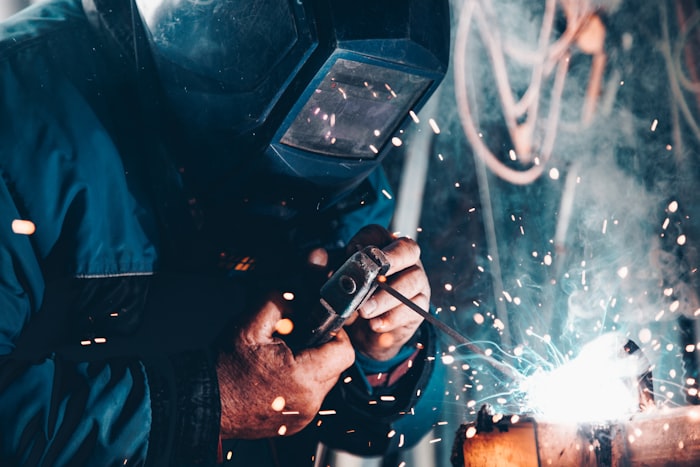
Using our in-house product development facility, a prototype of the tool is manufactured in a short time. The prototype is then tested on the actual component to ensure it effectively solves the issue. Feedback gathered during testing is carefully reviewed, and necessary improvements are made to refine and perfect the tool.
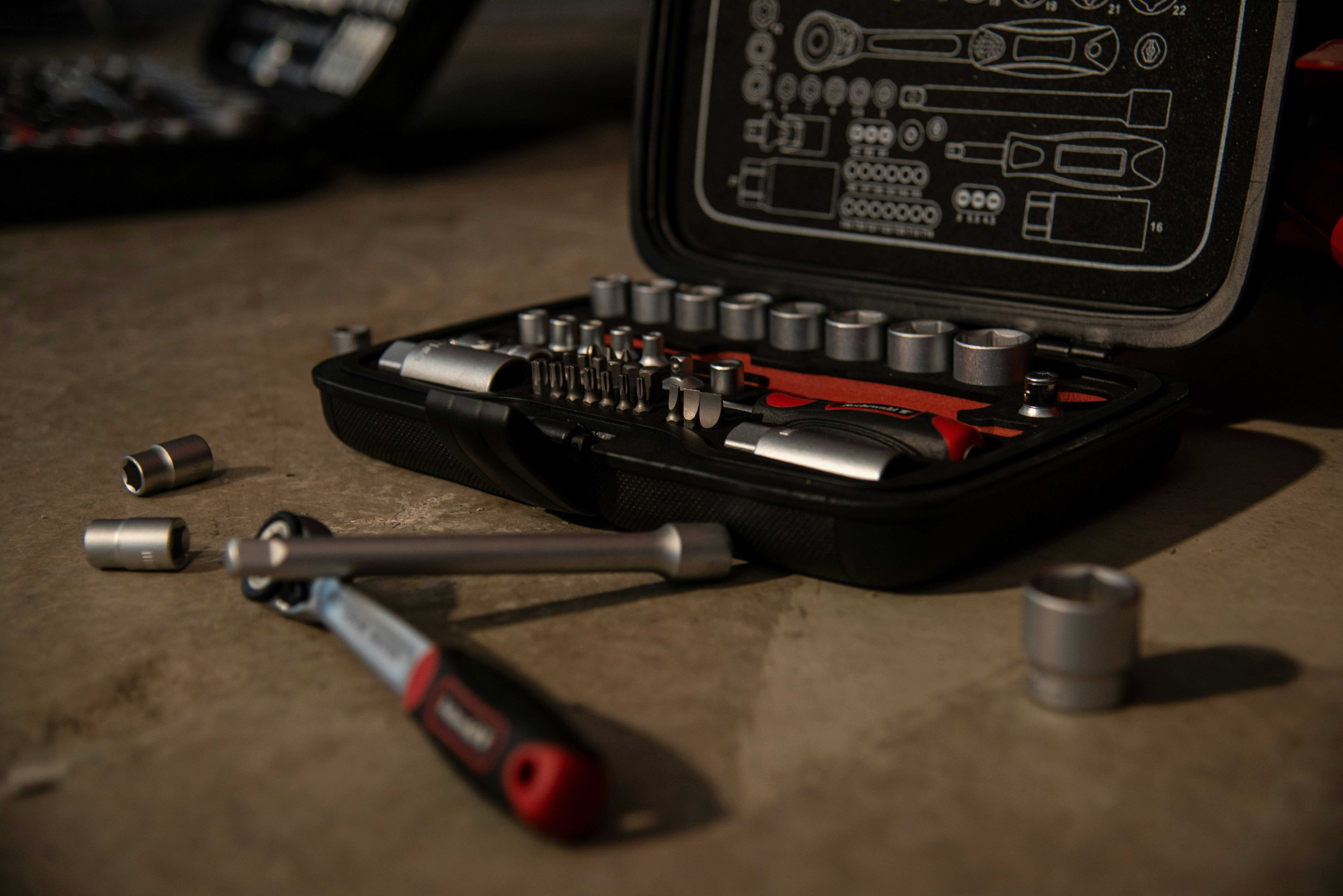
The prototype is continuously refined and improved to achieve high standards of design, precision, and reliability. Multiple iterations are carried out quickly to optimize the tool’s performance, safety, and durability. This process continues until the tool delivers the desired results and meets all functional requirements.
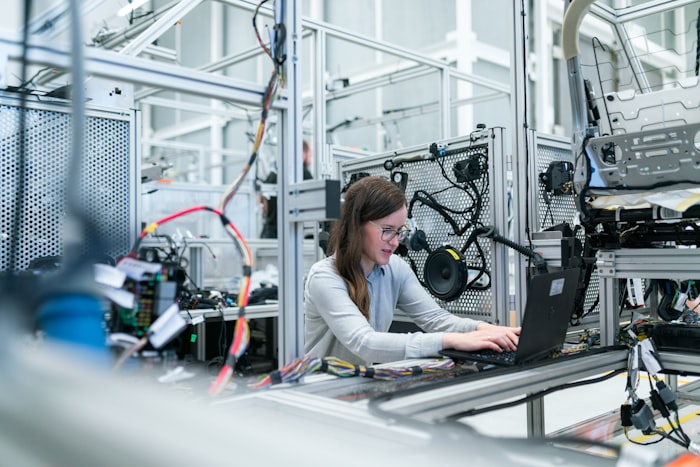
After the final prototype is approved, the detailed tool drawing is prepared using SolidWorks following standard engineering practices. A final price quotation is then provided along with necessary reports, including raw material specifications, hardness testing, and surface coating details, ensuring quality and reliability of the finished tool.
Feedback from technicians and users is regularly reviewed to improve the tool’s performance and usability. Based on this feedback, necessary enhancements are made to increase productivity, safety, and reliability, ensuring the tools continue to meet real-world servicing requirements and deliver consistent performance.